
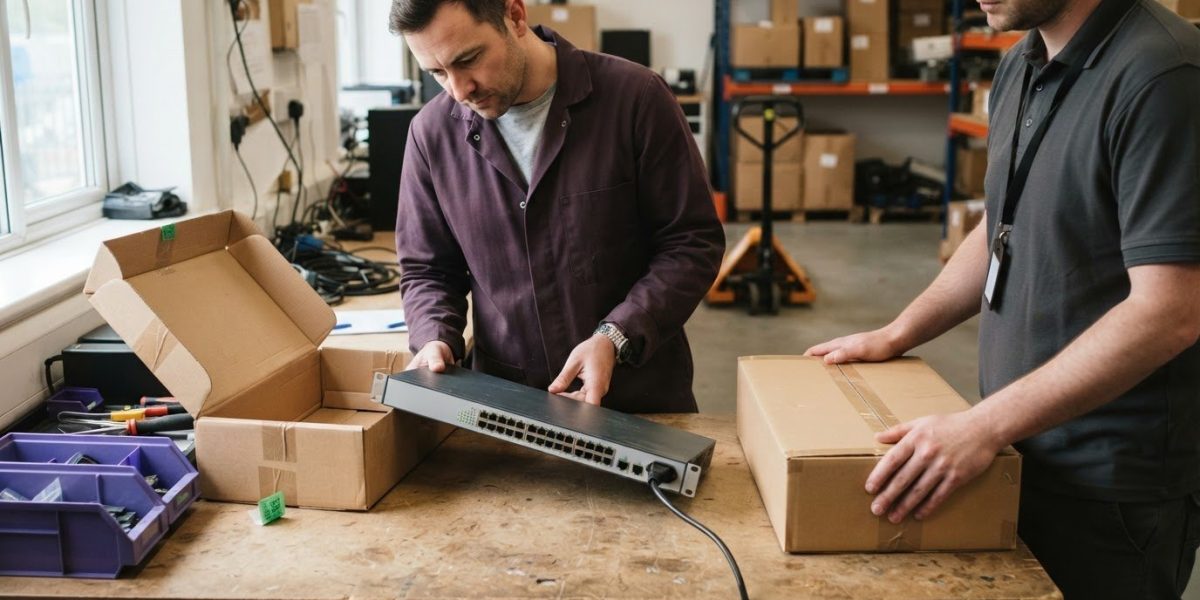
What if customers can’t tell whether a product, offer, or message in your channel is genuinely yours? Knowing how to protect your brand in the channel starts with securing brand assets, monitoring how partners and third parties use them, and responding consistently to suspected misuse.
Brand protection isn’t only about stopping copycats. It also means reducing confusion across partner touchpoints, where inconsistent information or suspected infringement can weaken consumer confidence. A clear process helps your team identify issues, assess their impact, and act without relying on scattered records or ad hoc decisions.
This guide covers practical ways to safeguard brand names and other assets, monitor channel activity, and respond to suspected infringement while keeping consumer trust in view. It also explains how clearer partner data and coordinated channel operations can support a more reliable brand experience.
Key Takeaways
- Protect brand names across websites, social platforms, search results, and marketplaces by monitoring for impersonation and confusingly similar use.
- Set a clear internal process for documenting suspected infringement, escalating concerns, and deciding when to involve legal counsel or a platform.
- Use a phased 30-60-90-day plan to organize brand asset inventory, monitoring, and response workflows.
- Build trademark protection around priority brand assets, relevant goods and services, and timely registration maintenance.
- Improve channel consistency with tools such as PartnerPortal™ and Co-op/MDF Management, which support more coordinated partner operations.
How To Protect Your Brand?
A practical approach to how to protect your brand in the channel combines asset checks, partner rules, and response steps. In distribution channels, brand protection includes monitoring online use, addressing impersonation, and setting clear expectations for authorized sellers.
-
Monitor Online Channels and Marketplaces
Monitor your website, search results, social media, app stores, and marketplaces for copied names, logos, product images, and misleading seller profiles. Search variations of your brand name and review relevant listings, including on marketplaces such as Amazon and eBay. Monitoring tools and services vary in cost according to coverage, alerts, and scope, so assess your needs before choosing one. Record suspicious results consistently so your team can compare activity over time.
Include social media and app impersonation in the same monitoring process. A fake profile or app may imitate an official account, redirect customers, or misuse brand assets. Record the account name, platform, and evidence before escalating the issue.
-
Establish an Authorized Reseller Program
Define reseller approval criteria, document who is authorized, and establish a process for keeping those records current. Give approved sellers up-to-date product descriptions, images, and brand-use guidance. Compare marketplace listings with authorized reseller records, and investigate discrepancies before making claims about a seller. This helps distinguish an unapproved listing from an authorized partner’s legitimate activity.
Reserve company and brand handles on the social media platforms where you plan to promote products or services. Match each handle as closely as practical to your domain name, using consistent spelling and visual identity. Handle availability alone doesn’t establish whether someone has filed a federal trademark application for the same name.
-
Set Distribution Agreement Terms
Document how distributors may use trademarks, logos, product images, and approved descriptions. Set out responsibilities for reporting suspected impersonation and keeping reseller information current. Clear terms give partner teams a reference when channel activity raises questions about brand use or authorization.
When deciding how to protect your brand in the channel, address pricing policies separately from brand-use requirements. Distribution agreements can describe pricing policies, but relevant legal considerations depend on the market and agreement. Have an attorney review proposed terms before applying them to resellers. Don’t treat a price difference alone as proof of trademark infringement.
Responding to Infringement
A consistent response process helps teams document suspected infringement, assess the affected channel, and choose an appropriate next step. Protecting your brand in the channel also means distinguishing trademark concerns from reseller disputes, including channel conflict or pricing questions.
-
Monitor Infringement Across Channels
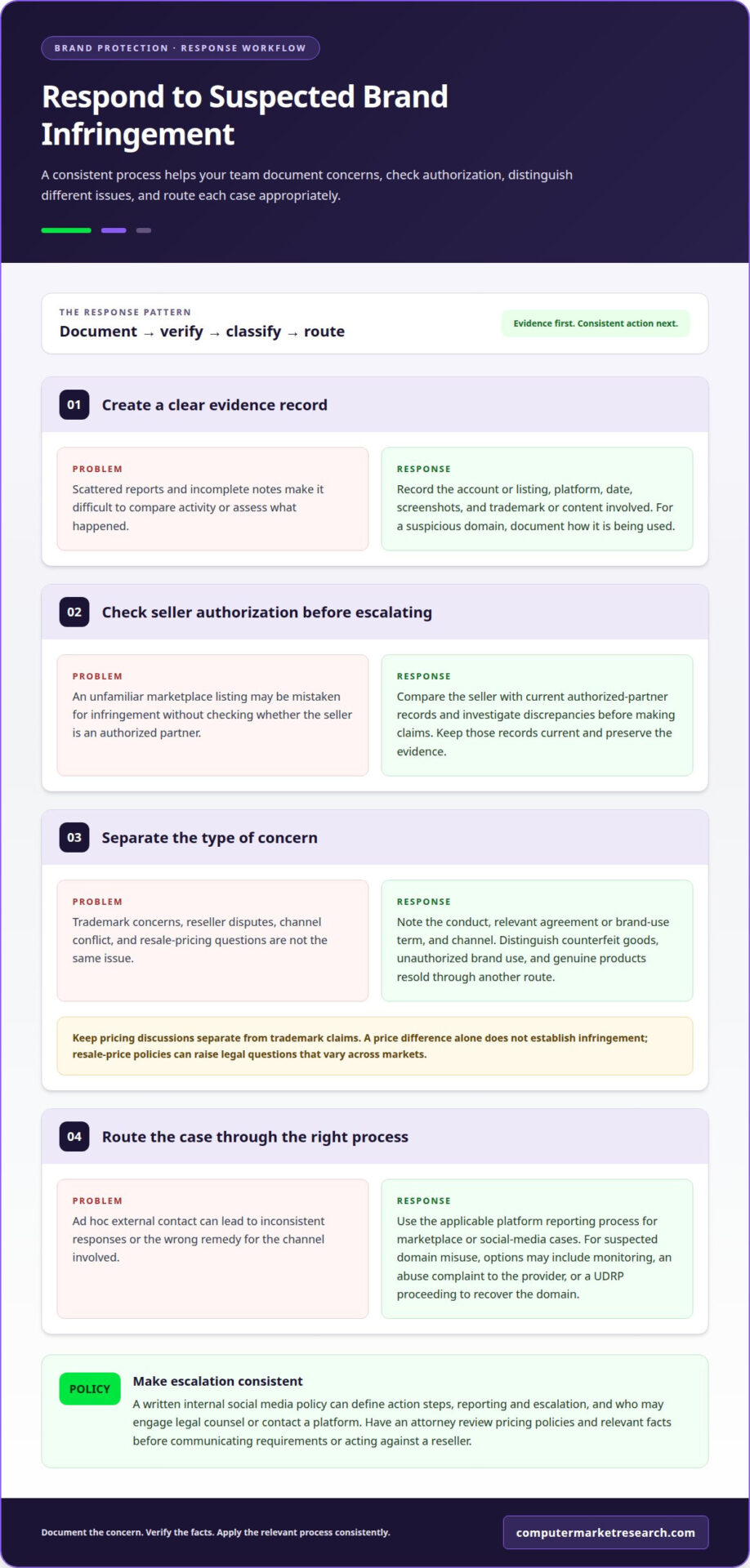
Assign someone to review brand mentions, partner reports, websites, search results, and social media for possible misuse. Record the account or listing, date, screenshots, and trademark or content involved. Compare the seller with authorized partner records before treating a listing as infringement. For a suspicious domain, document how it is being used and route the evidence for review.
-
Address Channel Conflict and Resale Pricing
Separate a partner dispute from a trademark complaint before deciding how to respond. Note the conduct, relevant agreement or brand-use term, and channel where it occurred. Resale-price policies can raise legal questions that vary across markets, so don’t assume one global rule applies. Have an attorney review the policy and facts before communicating requirements or acting against a reseller.
When protecting your brand in the channel, keep pricing discussions separate from claims of trademark misuse. A price difference alone doesn’t establish infringement. Document the specific concern and apply the relevant agreement consistently.
-
Prevent Unauthorized and Gray-Market Sales
Keep authorized-seller records current and compare them with marketplace listings, product details, and available supply information. If a seller falls outside the program, determine whether the concern involves counterfeit goods, unauthorized brand use, or genuine products resold through another route. These situations require different assessments, so preserve the evidence before choosing a response.
For suspected domain misuse, options may include monitoring the domain, submitting an abuse complaint to the provider, or pursuing a UDRP proceeding to recover it. For marketplace or social media cases, use the platform’s applicable reporting process. Don’t ignore suspected infringement: document the issue and escalate it through company policy.
A written internal social media policy helps teams respond consistently when a trademark appears in an account, post, or other platform activity. It should cover how to handle suspected trademark infringement, set out action steps, explain escalation and reporting, and identify who can engage legal counsel or contact the relevant platform. If a competitor registers a trademarked name as an account, the company may be able to use the platform’s trademark dispute-resolution process. Clarify how concerns are assessed and routed before anyone engages externally.
Monitoring should be ongoing, not reserved for complaints after harm is reported. Brand owners should monitor the marketplace for potential and actual trademark infringement and take appropriate steps to protect their goodwill. Trademark owners should actively identify potential infringers and take appropriate action to protect their marks. For registered trademarks, act swiftly when infringement occurs. For problematic domain registrations, possible responses include monitoring their use, sending a cease-and-desist letter, submitting an abuse complaint to a web services provider, or filing a UDRP proceeding to recover the domain. Choose a response based on the documented concern and follow the company’s escalation process.
Implementing a 30-60-90-Day Brand Protection Plan
Divide the work into three phases: establish visibility, connect findings, then formalize the response. Each phase gives your team a practical way to build consistent brand protection workflows.
- First 30 days: Inventory brand names, logos, domains, social accounts, and key products. Record each asset’s owner, approved use, and relevant channel in one shared register. Ask IT to monitor DMARC and configure Certificate Transparency log alerts for newly issued certificates that may involve your domains. Include the main brand name and confusingly similar variations in monitoring criteria. Evaluate vendors against your priority channels, alert quality, and response workflow. The inventory gives the effort a defined scope, while the alerts help surface domain-related risks. Assign an internal owner to review findings and route issues to the right team.
- Next 30 days: Correlate passive DNS findings with the domains and assets in your inventory. This can help teams distinguish an isolated registration from activity connected to a wider impersonation effort. Conduct social sweeps across the platforms where your company and partner network promote products. Record suspicious profiles, copied brand names, and links that appear to direct customers elsewhere. Test API-based takedown services using documented examples and assess how their alerts fit existing escalation steps. Keep evidence together, including timestamps and affected channels, so reviewers can understand each case. Use the results to refine monitoring terms and determine which issues need faster internal review.
- Final 30 days: Work with IT to finalize the DMARC reject policy, coordinating the change with the organization’s email operations. Localize the notice-and-takedown process so reports reflect the relevant market, language, platform, and evidence requirements. Identify major offenders from documented cases, then begin legal action where the evidence and review process support that step. Confirm who approves external notices and who tracks outcomes. At the end of this phase, review the asset register, alerts, and escalation workflow together. Update owners when responsibilities change, and use new examples to keep the process aligned with the channels your network actually uses.
Intellectual Property and Brand Assets
Start by mapping intellectual property to the products, services, and channels it supports. A brand name, logo, domain, slogan, product design, and creative content may each need different ownership and protection records.
- Inventory the assets you use. Record each brand name, logo, slogan, domain, product image, and design. Identify the owner, approved use, and related products or services. A trademark can identify the source of a company’s products or services through a business name, product brand, slogan, or hashtag. Copyright protects creative expression, such as written or visual content, rather than the ideas behind it. Separate these asset types in your register so each has a clear owner and purpose.
- Search before adopting or registering a mark. Check federal and state registrations, social media mentions, and domain-name variations for potential conflicts. Search for confusingly similar names, not just exact matches. A trademark must be distinctive and cannot be identical or confusingly similar to an existing mark. Prioritize the primary brand and wordmark, then identify the key classes of goods or services that reflect how the business operates. A carefully scoped search can reveal conflicts before launch costs and channel activity build up.
- Plan applications around your actual offerings. In the United States, the United States Patent and Trademark Office base application filing fee for a federal trademark is $350 per class of goods or services. The goods and services description affects the application, so align it with the products and services the mark will identify. A U.S. trademark protects the brand in the United States, not other countries. Map target markets separately, and avoid assuming one national registration covers a global network.
- Track maintenance dates and ownership records. According to the United States Patent and Trademark Office, in the United States, trademark owners must file maintenance documents between the fifth and sixth years after registration to keep a federal trademark registration active. According to the United States Patent and Trademark Office, trademark owners must file maintenance documents between the ninth and tenth years after registration to keep a federal trademark registration active. The United States Patent and Trademark Office also states that owners must file maintenance documents every 10 years after the initial maintenance filings to keep a federal trademark registration active. Assign a renewal owner, calendar each milestone, and retain filing records with the asset register.
Reputational Damage and Consumer Trust
Unauthorized distributors can make it harder for consumers to assess product authenticity, handling, and seller accountability. A negative experience involving counterfeit goods can affect trust in the brand, even if the brand didn’t authorize the sale.
-
Assess Unauthorized Distributor Risks
Review each suspected seller’s listing, product details, and available channel records before deciding what action to take. An unauthorized listing may involve counterfeit goods, genuine products sold outside approved channels, or misleading use of brand assets. These cases carry different risks. Record the evidence and determine which issue needs attention before making claims about the seller.
-
Protect Product Quality and Consumer Trust
Trace reported quality concerns to the seller and product listing involved. If a consumer reports a counterfeit purchase, capture the complaint, product details, and sales channel, then route the information to the team responsible for investigation. A reported counterfeit-related negative experience may affect the wider brand: 73% of consumers report disengaging from a brand after such an experience.
- Separate verified product issues from unauthorized seller activity before responding publicly. For example, a customer who receives a product from an unfamiliar marketplace seller may question whether it is genuine or supported by the brand. Confirm what the available evidence shows, then respond clearly and consistently. Avoid promising a remedy before you understand the facts and applicable policies.
- Apply brand-use expectations consistently across authorized partners and online channels. Give internal teams a documented process for reporting complaints, preserving evidence, and escalating suspected counterfeits. Consistent handling supports accountability: when teams provide conflicting explanations, consumers may have less confidence in the brand’s response.
- Connect each response to a measurable trust signal. Track recurring complaint themes, reported seller activity, and consumer reactions after a case closes. Thirty percent of consumers respond to negative brand actions by stopping purchases, while 34% talk about brands that act positively. Use these findings to identify response gaps and improve communication without overstating what an investigation has established.
Online research is part of the path to purchase: 81% of consumers research brands online before purchasing. Online brand signals can therefore shape a consumer’s impression before a decision is made. A clear approach to suspected misuse can help teams distinguish concern about the brand from a verified product issue and keep consumer communications grounded in available evidence. When concerns arise, preserve relevant domain and seller information alongside complaints, so follow-up can focus on the possible source of confusion rather than making unsupported claims.
Trademark registration is an essential first step for brand owners seeking to safeguard the reputation and value of their marks. Monitoring domain registrations can help identify domains that could be used for phishing, business email compromise, or counterfeit-goods sales before they harm the brand or consumers. Treat registration and monitoring as complementary parts of brand stewardship to support earlier review of potential misuse. Any consumer-facing response should reflect what has been confirmed, while identified risks guide investigation and help protect confidence in the brand.
Computer Market Research
Computer Market Research can help when fragmented partner data and manual channel workflows make consistent brand experiences harder to manage. Its channel management software helps organize partner interactions and improve operational visibility, supporting the coordination behind reliable brand presentation.
This support is relevant when partner onboarding, deal activity, or marketing funds are spread across disconnected processes. When teams use different records, approved messaging and program details can be difficult to coordinate. A structured system brings channel information into a more consistent workflow, helping teams manage partner activity with greater clarity.
PartnerPortal™ centralizes partner onboarding, deal registration, and performance tracking. This shared structure helps teams coordinate partner-facing processes and see channel activity more clearly. Deal Registration supports the submission and tracking of partner deals, while Co-op/MDF Management and Rebates & Incentives support channel marketing funds and incentive programs. Each offering addresses a distinct operational need, so the right combination depends on where information is fragmented and which workflow needs more control.
These tools don’t replace trademark registration, legal advice, or enforcement against counterfeiters. They address the channel operations around partners, programs, and deal activity. A company may need legal action for suspected infringement while also improving coordination of authorized partner processes. Clearer records help teams understand partner activity and manage channel programs consistently, without treating operational software as a legal remedy.
Consider this step if partner information is scattered across spreadsheets, emails, or separate systems, or if manual administration makes performance difficult to assess. Computer Market Research helps align channel processes with how your organization manages partners, deal registration, and incentive programs. The goal is a more organized operating model, with better visibility into partner activity and fewer disconnected workflows. Start by identifying the processes that need coordination, such as onboarding, deal submissions, or fund administration. This focus makes it easier to discuss the operational challenge and relevant solution without confusing channel management with brand enforcement.
Contact Computer Market Research to discuss your channel management needs.
Frequently Asked Questions
How can a brand monitor online marketplaces and reseller channels?
Use marketplace searches and reseller records together to identify listings that need review. Search brand and product names, including common spelling variations, then compare seller identities and product details with authorized-channel information. For example, a listing with altered packaging claims may warrant closer review than a simple price difference. Keep findings in a shared log with the listing, seller, date, and evidence so teams can spot recurring patterns.
What U.S. laws govern trademark protection and counterfeit goods in sales channels?
In the United States, trademark protection includes federal registration administered by the United States Patent and Trademark Office, as well as federal and state trademark protections. Counterfeit-goods disputes can involve legal issues beyond registration, depending on the products, seller conduct, and sales channel. Keep registration and ownership records organized, and distinguish suspected counterfeiting from unauthorized resale of genuine products. Those facts help determine which legal issues and enforcement options apply.
How can brands enforce trademark rights against counterfeiters and unauthorized sellers?
Build an evidence record before escalating a suspected violation. Preserve dated listing captures, seller details, product images, customer reports, and relevant trademark registration information. Then use the marketplace’s applicable complaint process or seek legal review for more complex conduct. A copied logo on counterfeit goods, for example, differs from genuine products resold without authorization, so identify the issue accurately before making allegations or requesting action.

Article by
Del Heles
Del Heles is the founder and CEO of Computer Market Research (CMR), a channel management software company he launched in 1984. With more than 40 years of experience, he’s known for helping manufacturers and distributors simplify complex partner programs through practical, customer-focused technology solutions.